
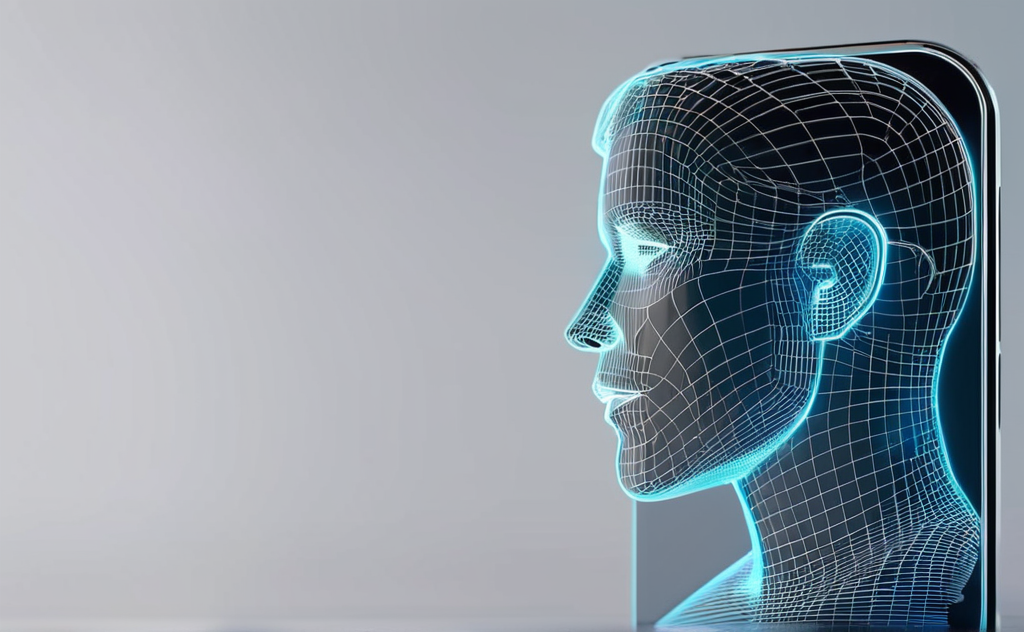
In the last decade, social media was defined by the “authentic” creator—the individual with a smartphone, a unique voice, and a raw perspective. However, we are currently witnessing a seismic shift. The era of the human-only creator is fading, replaced by a hybrid landscape where AI-generated content is not just present but increasingly dominant. From ChatGPT-scripted LinkedIn thought leadership to entirely synthetic “faceless” TikTok channels, artificial intelligence is no longer a tool for the elite; it is the new engine of the digital economy.
The Democratization of Content Creation
The primary driver behind the explosion of AI on social media is accessibility. Historically, creating high-quality video or compelling written copy required specific skill sets, expensive software, and significant time. Today, the barrier to entry has effectively vanished. With the advent of Large Language Models (LLMs) like ChatGPT and generative video tools, anyone with an internet connection can produce professional-grade content in seconds.
This democratization has led to a surge in “faceless” accounts. You have likely encountered them: YouTube Shorts or Instagram Reels featuring high-definition stock footage, a perfectly modulated AI voiceover (often via platforms like ElevenLabs), and a script that hits every viral beat. These creators aren’t filming in studios; they are prompting algorithms. This shift has turned content creation from a craft into a process of curation and orchestration.

The Core Pillars of AI Social Media Content
To understand the scale of this takeover, we must look at the three main formats where AI is currently outperforming human output in terms of volume:
1. Automated Text and Thought Leadership
Platforms like X (formerly Twitter) and LinkedIn are currently flooded with AI-assisted text. ChatGPT is used to generate “hooks,” summarize long-form articles into “threads,” and even engage in the comments sections. For businesses, this means maintaining a 24/7 presence without a dedicated social media manager. However, this has also led to the “slop” phenomenon—low-effort, repetitive posts that prioritize algorithmic reach over genuine insight.
2. AI-Generated Reels and Short-Form Video
Short-form video is the current king of engagement. AI tools can now take a single prompt and generate a script, select background music, overlay captions, and even create synthetic visuals. Tools like InVideo AI or HeyGen allow users to create “avatars” that speak directly to the camera with uncanny realism. This allows brands to scale video production at a fraction of the traditional cost.

3. Synthetic Imagery and AI Influencers
We are seeing the rise of the “AI Influencer”—digital entities like Aitana Lopez or Lil Miquela who possess massive followings despite not being real people. These entities are “managed” by agencies that use tools like Midjourney and Stable Diffusion to place them in exotic locations or wearing the latest fashion, offering brands a “model” that never gets tired, never ages, and never gets involved in real-world scandals.
The Pros: Why AI Content is Winning
The adoption of AI is not merely a trend; it is driven by clear economic and practical advantages:
- Efficiency and Scale: A human creator might take four hours to edit a single Reel. An AI workflow can produce twenty in the same timeframe. For businesses, this volume is essential for staying relevant in fast-moving feeds.
- Cost-Effectiveness: Small business owners who cannot afford a creative agency can now use AI to design high-end graphics and write compelling ad copy, leveling the playing field.
- Global Reach: AI translation and dubbing tools allow creators to instantly localize their content. A creator in New York can have their video perfectly dubbed into Spanish or Hindi, maintaining their original voice and lip-syncing, instantly expanding their audience by millions.
- Overcoming “The Blank Page”: AI acts as a powerful brainstorming partner. It can suggest 50 video ideas in seconds, helping creators overcome creative blocks and maintain consistent posting schedules.
The Cons: The Erosion of Trust and Authenticity
While the benefits are significant, the “AI-ification” of social media brings substantial drawbacks that threaten the very fabric of social interaction:
The Death of Authenticity
Social media was built on the “social” aspect—the human connection. As feeds become saturated with synthetic voices and AI-written platitudes, users are beginning to experience AI fatigue. When every caption feels like it was written by a robot, the value of human experience is diminished. If everything is generated, does anything matter?
The “Dead Internet Theory”
There is a growing concern known as the “Dead Internet Theory,” which suggests that the majority of internet traffic and content is now generated by bots, for bots. On platforms like X, AI accounts often interact with other AI accounts, creating a feedback loop of synthetic engagement that provides zero real value to human users.

Algorithmic Saturation
Because AI can produce content so cheaply, the volume of posts is skyrocketing. This forces platform algorithms to become even more selective, often burying high-quality human content under a mountain of “optimized” AI noise. This creates a “race to the bottom” where creators focus more on what the algorithm wants than what the audience needs.
Future Risks: Deepfakes and Disinformation
Beyond the aesthetic and social concerns lie darker risks. The same technology used to create a fun AI Reel can be used to create Deepfakes. As AI voice and video cloning become indistinguishable from reality, the potential for political manipulation, financial scams, and reputation destruction increases exponentially.
Furthermore, AI models are prone to “hallucinations”—confidently stating false information as fact. When AI-generated “educational” content goes viral without human fact-checking, misinformation spreads at the speed of light. We are entering an era where we can no longer trust our eyes or ears when scrolling through our feeds.
The Platform Response: Labels and Regulation
Social media giants are not oblivious to these risks. Meta (Facebook/Instagram), YouTube, and TikTok have begun implementing policies requiring creators to label AI-generated content. YouTube now requires a “synthetic content” tag for realistic videos, and Meta has introduced “Made with AI” labels. These are steps toward transparency, but enforcement remains a massive challenge as AI tools become better at mimicking human imperfections.

How to Navigate the AI Content Landscape
For creators and brands, the goal should not be to avoid AI, but to use it as an augmentative tool rather than a total replacement. Here are three strategies for the modern era:
- The “Human-in-the-Loop” Model: Use AI to generate the skeleton of your content—the research, the initial draft, or the basic edit—but always add a layer of human personality, anecdote, and fact-checking.
- Focus on Community, Not Just Content: AI can generate a post, but it cannot (yet) build a genuine community. Focus on live interactions, community management, and real-world events that AI cannot replicate.
- Transparency as a Brand Value: Be honest with your audience about your use of AI. In a world of fakes, radical honesty becomes a competitive advantage.
Conclusion: The Future is Hybrid
AI-generated content is not a passing fad; it is the new infrastructure of social media. We are moving toward a hybrid future where the distinction between human and machine creativity will continue to blur. While this offers unprecedented opportunities for productivity and creativity, it also demands a new kind of digital literacy from users.
As we move forward, the most successful creators won’t be those who use the most AI, nor those who reject it entirely. They will be the ones who use AI to handle the mundane, while doubling down on the one thing an algorithm can never truly possess: a soul. The future of social media isn’t just about artificial intelligence; it’s about how we use that intelligence to enhance our uniquely human stories.