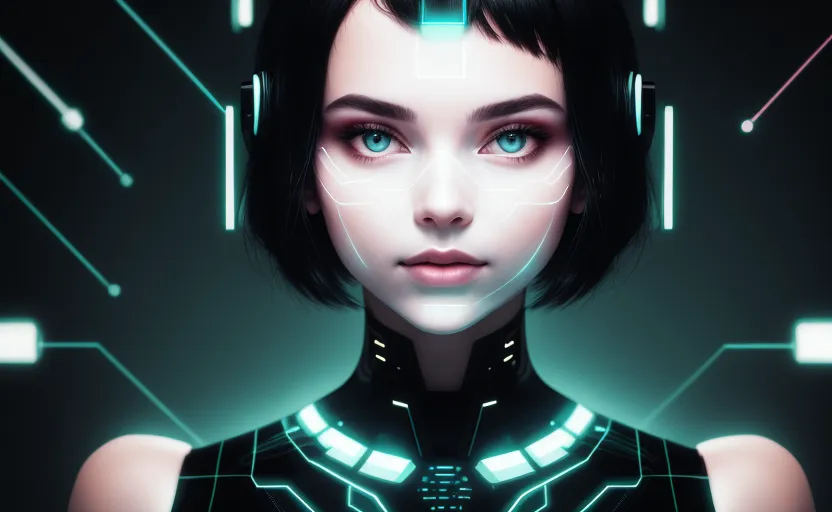
In the rapidly evolving landscape of social media, a new generation of stars is emerging. They don’t eat, they don’t sleep, and they never age. These are AI influencers—computer-generated personas that are capturing millions of followers, securing high-fashion brand deals, and fundamentally shifting the power dynamics of the creator economy. As digital avatars become indistinguishable from human creators, the marketing world is facing a pivotal question: Are virtual creators poised to replace human influencers entirely?
What Are AI Influencers and Virtual Creators?
At their core, AI influencers (also known as virtual influencers or CGI influencers) are fictional characters created using advanced graphic design and artificial intelligence tools. Unlike traditional human influencers who document their real lives, these characters are meticulously crafted by teams of designers, writers, and programmers. Every post, caption, and interaction is part of a curated narrative designed to resonate with a specific target audience.
While the concept of virtual characters isn’t new—think of the band Gorillaz or the Japanese hologram singer Hatsune Miku—the current wave of virtual creators is different. Thanks to Generative AI and hyper-realistic rendering engines like Unreal Engine, these avatars can now appear in “real-world” settings, interact with physical products, and even engage in real-time conversations with their followers.
The Evolution of the Digital Avatar
The journey began with characters like Lil Miquela, a freckle-faced digital model who debuted in 2016. Initially, she was a mystery, but as her following grew to millions, she became a powerhouse for brands like Prada and Calvin Klein. Today, the technology has democratized. With tools like Midjourney, Stable Diffusion, and HeyGen, almost anyone can create a consistent digital persona, leading to an explosion of “AI models” on platforms like Instagram and TikTok.

Why Brands are Pivoting to Virtual Creators
The shift toward AI influencers isn’t just a gimmick; it is a calculated business move driven by several key advantages that human creators simply cannot match.
1. Total Creative Control
When a brand works with a human influencer, there is always a degree of unpredictability. Lighting might be off, the tone might not align perfectly with the brand voice, or the creator might misunderstand the brief. With a virtual influencer, the brand (or the agency managing the avatar) has 100% control over every pixel. The environment, the wardrobe, and the messaging are perfected before a single follower sees the post.
2. Risk Mitigation and Brand Safety
In the age of “cancel culture,” human influencers are a liability. Past tweets, personal scandals, or controversial public behavior can instantly tarnish a brand’s reputation by association. Virtual creators do not have pasts. They don’t get tired, they don’t have bad days, and they don’t get embroiled in real-world controversies unless their creators script them that way. For risk-averse corporations, this stability is invaluable.
3. 24/7 Availability and Scalability
A human influencer is limited by geography and time. They can only be in one place at a time and require rest. An AI influencer can “attend” a fashion show in Milan while simultaneously “hosting” a live stream in Tokyo. They can speak 50 different languages fluently and interact with thousands of fans simultaneously through AI-driven chatbots.

Monetization Opportunities in the Virtual Space
The monetization potential for AI influencers is vast and, in many ways, more diverse than that of traditional creators. As the technology matures, we are seeing several primary revenue streams emerge.
Brand Partnerships and Digital Modeling
This remains the most lucrative avenue. High-end fashion houses and tech giants are willing to pay top dollar to be associated with the “futuristic” aesthetic of virtual models. These avatars are used for digital lookbooks, social media campaigns, and even virtual runway shows. Because there are no travel costs or physical production limitations, the profit margins for the creators are significantly higher.
Subscription Models and Exclusive Content
Platforms like Fanvue and Patreon have seen a surge in AI creators. Some virtual influencers offer “behind-the-scenes” access or personalized digital interactions for a monthly fee. In some niches, AI-generated models are generating tens of thousands of dollars per month through these subscription-based models, providing a steady stream of recurring revenue.
Digital Goods and NFTs
Since virtual influencers exist in the digital realm, they are the perfect ambassadors for digital products. This includes “skins” for video games, virtual clothing for the metaverse, and limited-edition NFT art. They bridge the gap between social media and the burgeoning Web3 economy.
Affiliate Marketing at Scale
AI influencers are exceptionally good at affiliate marketing. Because their content can be generated rapidly, they can showcase a wide variety of products across multiple niches. By utilizing AI to analyze trending products and consumer sentiment, the teams behind these avatars can pivot their content strategy in real-time to maximize conversion rates.
Case Studies: Success Stories in the Virtual Realm
To understand the impact of this trend, we must look at the pioneers who have already established a massive digital footprint.
- Lu do Magalu: Originally a mascot for a Brazilian retail giant, Lu has evolved into the world’s most-followed virtual influencer. With over 30 million followers across platforms, she handles product reviews, unboxing videos, and even social advocacy, proving that virtual creators can drive massive retail volume.
- Aitana Lopez: Created by a Spanish agency, Aitana is a pink-haired AI model who earns upwards of $10,000 a month. Her creators use AI to generate her images based on what the audience finds most engaging, showcasing a data-driven approach to influencer growth.
- Shudu Gram: Known as the “world’s first digital supermodel,” Shudu has appeared in campaigns for Fenty Beauty and Balmain. Her success sparked a global conversation about the ethics of digital representation and the future of the modeling industry.
The Technical Powerhouse: How They Are Created
Creating a high-quality AI influencer requires a blend of artistic vision and technical prowess. The process usually involves several layers of technology:

- Character Design: Using software like DAZ 3D or Maya to create a 3D base model.
- AI Generation: Utilizing Stable Diffusion or Midjourney to generate hyper-realistic textures, clothing, and environmental backgrounds.
- Face Swapping and Animation: Tools like DeepFaceLab or Live2D allow creators to animate the character’s face to match a voiceover or a human actor’s movements.
- Large Language Models (LLMs): Integrating GPT-4 or similar models to give the influencer a “brain,” allowing them to write captions, respond to comments, and hold conversations that feel authentic.
The Challenges and Ethical Considerations
Despite the meteoric rise of AI influencers, the industry is not without its hurdles. As the line between human and machine blurs, ethical concerns have come to the forefront.
Transparency and Disclosure
One of the biggest criticisms is the lack of transparency. If a follower believes they are looking at a real person, they may form a parasocial relationship based on a lie. Several countries are now introducing legislation that requires creators to clearly label AI-generated content to prevent consumer deception.
Unattainable Beauty Standards
Virtual influencers are often designed to be “perfect.” They have flawless skin, ideal proportions, and never show signs of aging or fatigue. Critics argue that this exacerbates the already toxic beauty standards found on social media, particularly for younger audiences who may not realize the person they are following isn’t real.
The Displacement of Human Jobs
There is a legitimate fear that AI influencers will take opportunities away from human models, photographers, and makeup artists. If a brand can “rent” a virtual model for a fraction of the cost of a full photoshoot, the economic impact on the creative industry could be profound.
The Future: Real-Time Interaction and the Metaverse
We are moving toward a future where AI influencers are not just static images or pre-recorded videos. The next frontier is real-time interactivity. Imagine an AI influencer hosting a live Q&A session where they respond to your specific questions in real-time, with a personality that evolves based on your interactions.

As we spend more time in virtual reality and metaverse environments, these creators will become our guides, entertainers, and shopping assistants. They will no longer be something we just look at on a screen; they will be entities we interact with in three-dimensional space.
Conclusion: A Hybrid Future
Are AI influencers replacing humans? The short answer is: partially. While they offer unparalleled control and efficiency for brands, they currently lack the raw, messy, and authentic human experience that many followers still crave. Human influencers excel at vulnerability, relatability, and shared lived experiences—things an algorithm cannot truly replicate.
However, the rise of virtual creators is undeniable. We are entering an era of hybrid influence, where human creators will use AI tools to enhance their own brands, and virtual creators will become a permanent fixture of the marketing mix. For brands and marketers, the goal is no longer to choose between human or digital, but to understand how to leverage the unique strengths of both to build a more engaging future.
As the digital and physical worlds continue to merge, the influencers of tomorrow may not be born—they might be programmed.